Best Heavy Weapon in Mortal Shell 2: Every Heavy Option, Compared
Which heavy weapon is worth your Glow in Mortal Shell 2? A qualitative look at Break damage, hit chains, and the shells each heavy weapon pairs with best.
Scope note: Weapon totals are unconfirmed; this guide covers the mainhand weapons tracked on this site and claims no total. Mortal Shell 2 publishes no exact damage numbers, so every comparison here is qualitative by design.
Heavy weapons in Mortal Shell 2 trade speed for something no light weapon can copy: Break damage that opens hardened enemies before their posture recovers. The catch is that "heavy" is not one playstyle — the Obsidian Hammer chains wide, heavy swings; the Veteran's Battle Axe pairs its hard hit chains with Burn synergy; and the Great Martyr's Blade bets everything on single, massive Break hits. This guide compares every heavy option in qualitative terms: how each one actually feels in a fight, which shell pairings the community keeps coming back to, and which infusion stones change the math. Exact damage numbers are intentionally left out — the game does not publish them, and in-game weapon totals remain unconfirmed, so we won't invent them. What follows is a choice framework: pick the heavy weapon that matches your shell, not the one a tier list shouts about.
What Makes a Heavy Weapon "Best" in Mortal Shell 2
Four qualitative criteria separate the heavy options, and none of them need a stat table to evaluate. Break damage profile: how the weapon's posture damage is delivered — smeared across a chain or concentrated in single hits — changes which enemies it shreds and which it stalls against. Hit-chain speed: heavy does not mean slow everywhere; the axe swings in quicker succession than the hammer, and that difference decides how much punishment you can stack between enemy turns. Resolve cost feel: weapon arts on heavy weapons commit you longer, so a build that wants frequent ability usage feels the weight differently. Infusion flexibility: some heavies welcome several infusion stones, while one — the Great Martyr's Blade — has a single settled fit that defines it. Judge each weapon on those four axes against your shell, and the "best" answer usually picks itself.
Obsidian Hammer — the Break-Damage Workhorse
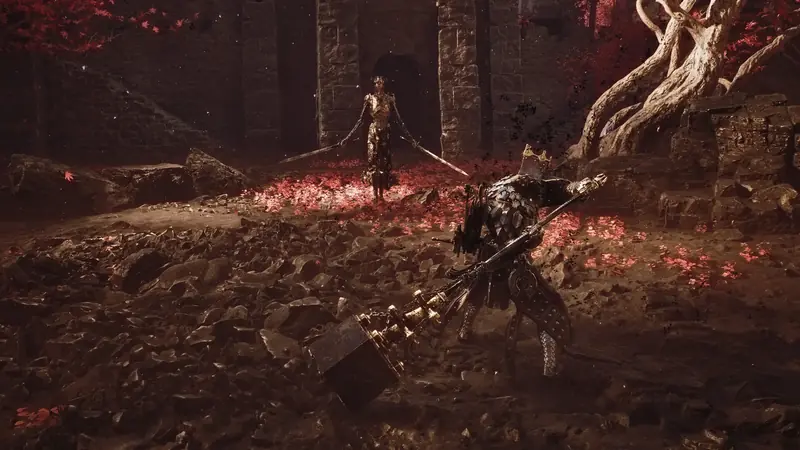
The hammer is Mortal Shell 2's clearest statement of what heavy means: high Break damage delivered through heavy hit chains that punish anything standing still. Its infusion lane runs through the Wretchcaller's Stone (Trauma), and that pairing fits — a Break-first weapon wants an infusion that keeps enemies reeling while the next swing lands. Two shells anchor its recommendations: Eredrim, whose durability lets you absorb a trade and keep the chain alive, and Lazlo, who layers heat and Burn on top of the hammer's posture pressure. If your plan is "hit first, keep hitting," start with the Obsidian Hammer build guide.
Veteran's Battle Axe — the Burn Synergy Pick
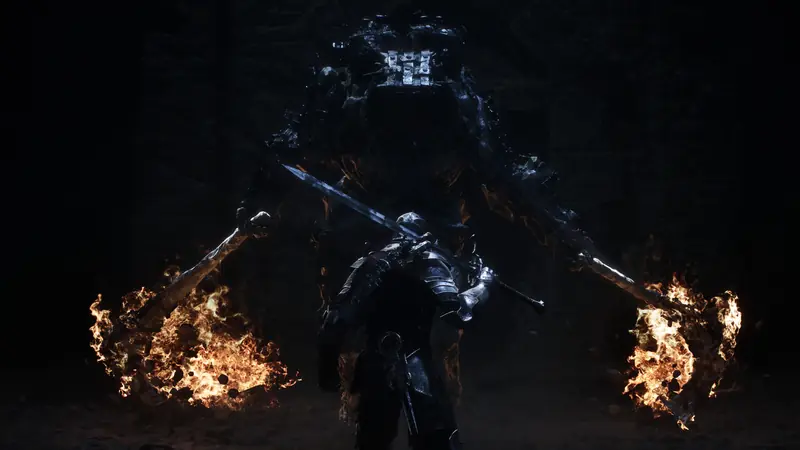
The axe occupies a different lane: it hits hard in chains and carries the strongest built-in Burn synergy of the heavy roster, which means damage keeps working while you reposition or recover Resolve. Its recommended shell is Lazlo first — Burn stacking is his language — with Eredrim as the safe-aggro alternative, and the Inflamed Clawstone (Burn) infusion locks the identity in. Players who want steady layered pressure rather than one enormous swing should read the Veteran's Battle Axe guide before committing Glow anywhere else.
Great Martyr's Blade — the Single-Hit Specialist
The blade is the most focused heavy option: high single-hit Break, one enormous commitment at a time. When your read is right, a single swing does the work of a whole chain; when it is wrong, you eat the recovery. Its infusion path is effectively settled — this site's data lists the Warden's Stone (Frost) as its only fitting infusion — which turns build planning from an open question into a single coherent lane, and Eredrim is the recommended shell for surviving the misses and converting the hits. That clarity is a strength, not a limit: see the Great Martyr's Blade guide for how to fight around its rhythm.
Which Heavy Weapon Should You Pick?
Match the weapon to the fight you want to have, then match the shell to the weapon:
- Sustained chains, front-line pressure → Obsidian Hammer on Eredrim; you extend your own attack window and never leave the enemy's face.
- Burn stacking, layered damage over time → Veteran's Battle Axe on Lazlo; the burn compounds while you chain, and heat scaling multiplies it.
- One-shot Break windows, deliberate pacing → Great Martyr's Blade on Eredrim; you trade frequency for the biggest single posture hit in the game.
A community builds thread on r/MortalShell has been circling the same three pairings from the player side — community-reported, but it lines up with what the tracked weapon data recommends on this site. Once you have picked, our best builds page turns any of these pairings into a full loadout, and the shell tier list explains what each shell brings to the deal.
Heavy Weapon FAQ
What is the best heavy weapon in Mortal Shell 2?
There is no absolute answer — the honest frame is shell pairing. The Obsidian Hammer wins sustained Break pressure, the Veteran's Battle Axe wins Burn layering, and the Great Martyr's Blade wins single-hit posture damage. Pick the one whose rhythm matches your shell, and it becomes the best heavy weapon for your build.
Do heavy weapons work on every shell?
Qualitatively yes, with caveats. Every heavy weapon can be swung by every shell, but the pacing changes how each pairing feels: fast, dodge-heavy shells give up more of their mobility advantage when they commit to long heavy chains, while durable shells like Eredrim convert heavy commitment into trades they win. A detailed community tier list from an NG++ player ranks weapons with exactly that shell context attached — the assertion is theirs, but the pattern matches the pairings recommended here.
Why are there no damage numbers on this page?
Mortal Shell 2 publishes no exact damage values in text form, and in-game weapon totals are unconfirmed. Every comparison here rests on behavior — swing rhythm, Break profile, infusion fit — which is also how the community actually evaluates weapons.